There is so much meaning packed into Iran's decision to reopen the Strait of Hormuz. The surface reading is simple enough: shipping lanes restored, oil markets calmed, crisis averted. But beneath the surface, two meanings emerge that reshape how we should think about Iran, American power, and the road ahead.
Iran Is Not Suicidal
The first and most important takeaway is this: Iran is not suicidal. The regime in Tehran wants power, money, and stability. It wants to keep ruling Iran. The reopening of Hormuz confirms that Iran's leadership is not desperate or reckless in the way many analysts have long assumed.
For Iran, the top priority has become survival and economic stability. Selling oil, maintaining revenue, keeping the state intact. Iran appears to have been recalibrated to understand its own priorities differently. The nuclear question has not disappeared, but it has been pushed down the list by more immediate concerns about existence and economy.
As I argued in The Middle East Will Not Be Stabilised by War with Iran, this aligns well with the Trump approach, which, for all its bluster, was never about wiping Iran off the map or turning it into a failed state. There was never a serious plan to Balkanise Iran. What we are witnessing, then, is something closer to a quiet understanding between the two sides. That should give us hope. There is a road towards peace, however narrow.
By reopening Hormuz, Iran has signalled something enormous: it can accept American hegemony. Not enthusiastically, not permanently perhaps, but functionally. It is willing to let go of things it no longer has the leverage to hold. This is not a Vietnam scenario where the regime fights to the bitter end. Iran has chosen pragmatism.
This acceptance of American hegemony will never be explicit. Iran will always try to cover it up with a narrative and a lie that makes its population feel they are winning. And they are good at that. Trump might respect that too. This is exactly what can facilitate the delivery of US national interests in whatever packaging Iran prefers.
The Weapon Was Never That Powerful
The second meaning is arguably even more significant. Iran does not possess the ultimate deterrent that the world feared. The Strait of Hormuz was always considered one of the most powerful weapons in Iran's arsenal. Closing it could choke global oil supplies and send markets into chaos. But Iran chose not to hold that position.
This tells us something critical: if Iran does this again in the future, the world can stop it. The threat was never as decisive as everyone believed. A weapon like closing Hormuz only has value if the state wielding it faces an existential threat. Iran's decision to reopen it means it does not view America as an existential threat. That is huge, and it opens the door towards a new regional order.
Trump Won
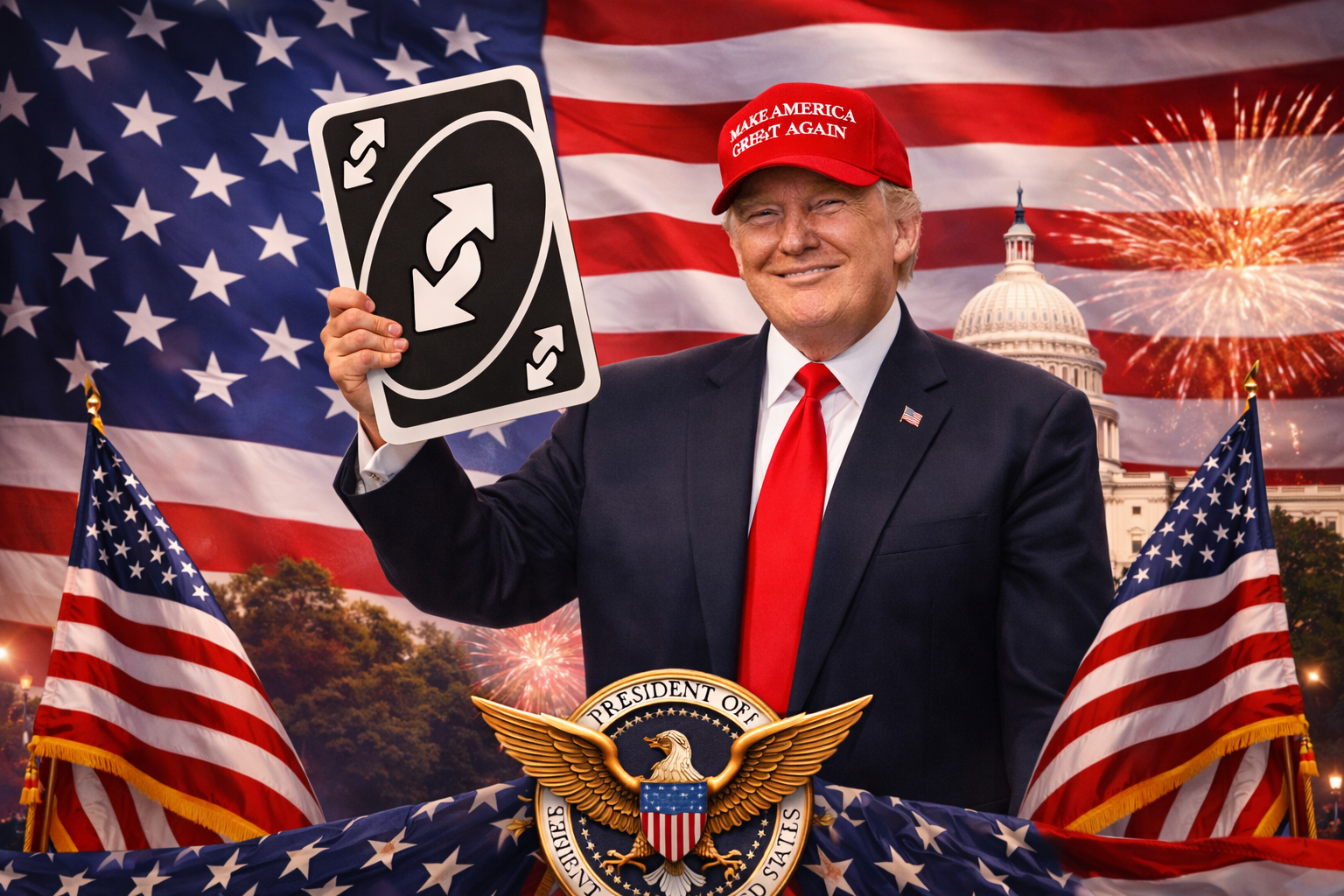
Let us state the obvious: Trump won. And I am not talking about Iran specifically. I am talking about the entire world and its commentators and "experts." No one predicted that the United States would reopen the strait this quickly. Trump effectively played an UNO reverse card, and the foreign policy establishment had no answer for it. The analysts, the think tanks, the pundits who spent weeks warning about escalation and catastrophe were all caught off guard. The strait is open, and it happened on Trump's terms.
Another day where realism beats liberalism and the so called international bodies. No UN resolution reopened Hormuz. No multilateral framework produced this outcome. It was direct, bilateral pressure and the willingness to act. The institutions that claim to uphold global order stood on the sidelines while realist foreign policy delivered results.