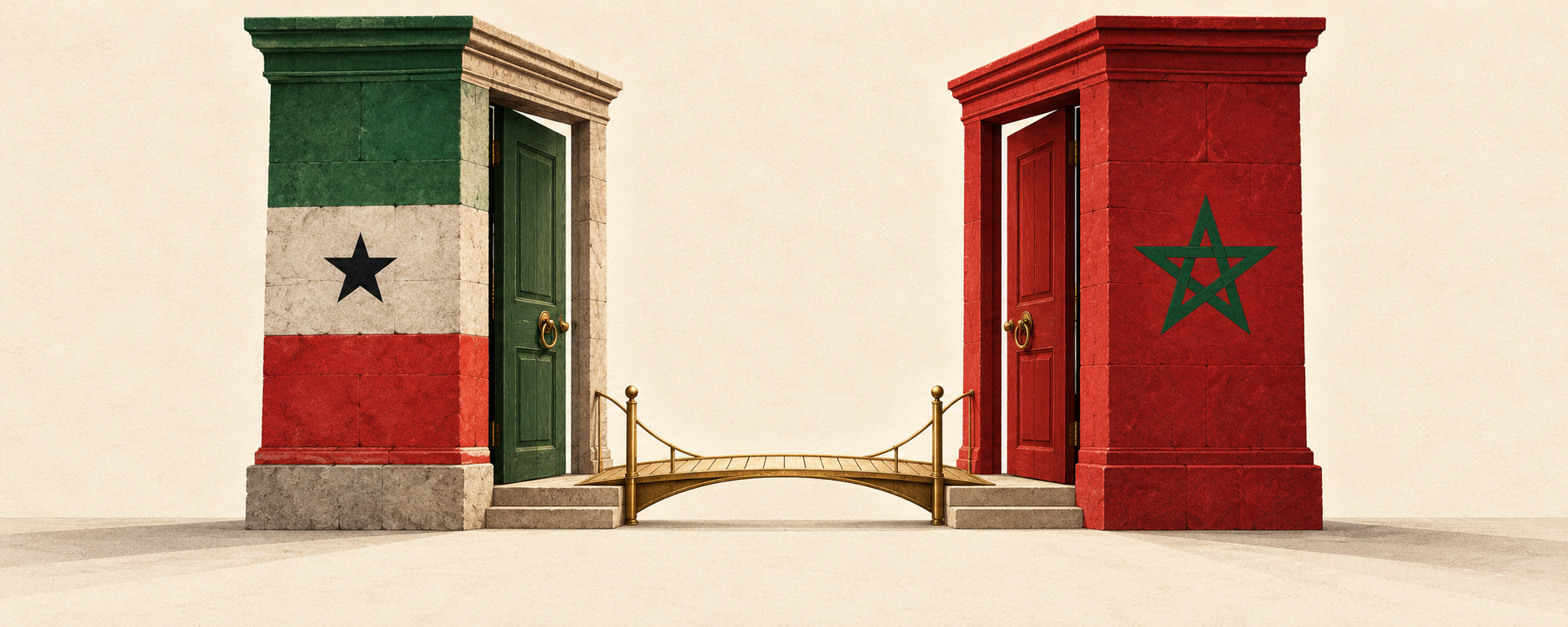
Somaliland and Morocco have more in common than many realise. Zeila and Tangier reflect long trading traditions. Both societies share Sunni, Ash'ari and Sufi roots, while their different political systems offer scope for exchange on elected government. Both maintain ties with Israel, the UAE and the United States. These connections give two countries at opposite ends of Africa a foundation for direct partnership.
Somaliland should open direct diplomatic engagement with the Kingdom of Morocco now. Hargeisa should support genuine autonomy under Moroccan sovereignty and put recognition of Somaliland firmly on the table. The government has an opening and a principled case for using it.
On 30 October, Russia vetoed an American Security Council draft backing Morocco's autonomy proposal as the sole basis for negotiations. Somalia abstained, then joined Russia and China in supporting a rival extension of the existing UN mandate. That proposal also failed. Mogadishu's choice gives Rabat a reason to look more closely at Hargeisa.
My position predates this confrontation. On 19 April 2026, I publicly distinguished Somaliland's independence and inherited borders from Western Sahara's unresolved status. The opportunity is new. The principle is not.
Somaliland became independent from Britain on 26 June 1960, within internationally defined borders. We seek recognition of restored sovereignty. Western Sahara followed a different path: Spain withdrew in 1976 without resolving its final status. These are different historical circumstances requiring different political answers. Supporting Morocco's proposed settlement does not surrender Somaliland's claim.
Africa's 1964 border principle protects the borders existing at independence. Somaliland has that date and those borders, alongside the population, territory, government and foreign relations identified in the Montevideo criteria. Our case stands on its own foundations.
Morocco has controlled most of Western Sahara for decades and has deep historical ties to the territory. Genuine autonomy offers a framework for combining that reality with Sahrawi political rights and meaningful government. Somaliland should back a negotiated settlement on those terms.
Our experience of genocide does not oblige us to champion every demand for a separate country. It obliges us to oppose persecution. Turning every grievance into another struggle over borders risks producing more suffering, more territorial conflict and more vulnerable minorities. Self-determination must serve people's safety and political future.
The Foreign Ministry should initiate contact with Rabat, state Somaliland's position clearly and seek reciprocal support for recognition. Moroccan public sympathy is an opening, not a diplomatic commitment. Hargeisa's task is to turn that attention into a government relationship with defined commitments on both sides.